Quick Answer
Graphene coating and ceramic coating are both advanced automotive paint protection technologies designed to protect vehicle surfaces from UV rays, dirt, water spots, and environmental contamination. Ceramic coating is known for durable long-term paint protection and gloss enhancement, while graphene coating is considered a next-generation evolution that offers improved heat resistance, enhanced slickness, and better water spot resistance.
Key Takeaways
- Both graphene and ceramic coatings provide advanced paint protection
- Graphene coating offers improved heat resistance and slickness
- Ceramic coating is widely trusted for long-term durability
- Both coatings deliver hydrophobic water-repellent performance
- Graphene coating may help reduce water spotting
- Professional application is critical for maximum performance
- Advanced coating technology continues evolving through graphene and borophene innovation
What Is Ceramic Coating?
Ceramic coating is a nano-protective liquid coating designed to bond with automotive paint and create a durable protective layer.
This layer helps protect vehicle surfaces from:
- UV rays
- Dirt buildup
- Environmental contamination
- Oxidation
- Chemical exposure
- Water spotting
Professional ceramic coatings are widely used in the automotive detailing industry because they provide:
- Long-lasting paint protection
- Easier maintenance
- Enhanced gloss
- Hydrophobic performance
Explore professional ceramic coating solutions:
What Is Graphene Coating?
Graphene coating is an advanced paint protection technology that incorporates graphene materials into ceramic coating formulations.
Graphene is known for:
- High thermal conductivity
- Advanced durability
- Strong surface slickness
- Improved heat management
Graphene coatings are designed to enhance traditional ceramic coating performance by improving:
- Water behavior
- Heat resistance
- Surface smoothness
- Environmental resistance
Professional graphene coating solutions:
Graphene Coating vs Ceramic Coating — Main Differences
The main difference between graphene coating and ceramic coating lies in the technology formulation and performance enhancements.
Traditional ceramic coatings focus heavily on:
- hardness
- gloss
- paint protection
- hydrophobic performance
Graphene coatings build on ceramic technology by introducing:
- improved slickness
- enhanced heat resistance
- better water spot management
- advanced surface performance
Both coatings are highly effective, but graphene coatings are often marketed as a newer evolution of ceramic coating technology.
Comparison Table: Graphene Coating vs Ceramic Coating
| Feature | Graphene Coating | Ceramic Coating |
|---|---|---|
| Durability | Very High | High |
| Hydrophobic Performance | Excellent | Excellent |
| Heat Resistance | Higher | High |
| Water Spot Resistance | Better | Good |
| Surface Slickness | Higher | High |
| Gloss Enhancement | Excellent | Excellent |
| UV Protection | Strong | Strong |
| Chemical Resistance | High | High |
| Maintenance | Easier | Easy |
| Paint Protection | Excellent | Excellent |
Durability Comparison
Both graphene and ceramic coatings are designed for long-term automotive paint protection.
Professional-grade coatings can provide extended durability when:
- professionally installed
- properly maintained
- applied on correctly prepared surfaces
Factors affecting durability include:
- climate conditions
- washing techniques
- environmental exposure
- product quality
- maintenance routines
Both coatings significantly outperform traditional waxes and sealants in long-term protection.
Hydrophobic Performance Comparison
Hydrophobic performance refers to how effectively a coating repels water.
Both graphene and ceramic coatings provide excellent hydrophobic behavior that helps:
- water bead and slide away
- reduce dirt accumulation
- simplify cleaning
- improve surface cleanliness
Graphene coatings are often known for:
- stronger slickness
- smoother surface feel
- improved water movement
This can help reduce contamination buildup over time.
Heat Resistance Comparison
One of the most discussed advantages of graphene coating is heat resistance.
Graphene materials are known for advanced thermal conductivity, which may help:
- reduce surface heat buildup
- improve coating stability
- enhance hot-climate performance
This is particularly valuable in regions such as:
- UAE
- India
- Australia
- Texas
- Arizona
where vehicles experience extreme sunlight and surface temperatures.
Ceramic coatings also provide strong heat resistance, but graphene formulations are often promoted as offering enhanced thermal performance.
Water Spot Resistance Comparison
Water spotting is a common issue in automotive detailing, especially in hot climates.
Graphene coatings are often preferred because they may:
- reduce mineral deposit bonding
- improve water evaporation behavior
- minimize water spotting visibility
While ceramic coatings still provide strong hydrophobic protection, graphene coatings are frequently marketed as superior for water spot management.
Gloss and Appearance Comparison
Both coating technologies significantly enhance paint appearance.
Benefits include:
- deeper gloss
- improved reflection
- enhanced paint clarity
- richer color depth
Ceramic coatings are known for creating a highly reflective finish, while graphene coatings often produce:
- a slicker appearance
- darker visual tone
- smoother finish feel
Both options are popular among:
- luxury vehicle owners
- sports car enthusiasts
- professional detailers
Maintenance Comparison
Both coatings simplify vehicle maintenance compared to traditional wax.
Benefits include:
- easier washing
- reduced dirt adhesion
- improved cleaning efficiency
- better contamination resistance
Graphene coatings may provide slightly easier maintenance because of enhanced slickness and water behavior.
However, proper washing techniques remain essential for maintaining both coating systems.
Which Coating Lasts Longer?
Both graphene and ceramic coatings are designed for long-term protection.
Actual lifespan depends on:
- installer expertise
- environmental conditions
- maintenance quality
- coating technology
- application process
Professional installation is one of the most important factors affecting real-world performance.
Is Graphene Coating Better Than Ceramic Coating?
Graphene coating is not necessarily “better” in every situation, but it offers several advanced performance benefits.
Graphene coatings may provide:
- improved slickness
- enhanced heat resistance
- better water spot resistance
- advanced hydrophobic behavior
Ceramic coatings remain highly trusted because of:
- proven durability
- industry adoption
- strong paint protection
- consistent performance
The best option often depends on:
- climate
- vehicle usage
- maintenance expectations
- installer experience
Which Coating Is Better for Hot Climates?
For extremely hot climates, graphene coating is often preferred because of its improved thermal characteristics.
This makes graphene coatings especially popular in:
- Dubai
- Abu Dhabi
- India
- Australia
- Southern USA
However, professional ceramic coatings also perform extremely well in demanding environmental conditions.
Professional Application Matters
Regardless of coating technology, professional installation is critical.
Proper application includes:
- paint decontamination
- paint correction
- surface preparation
- controlled coating installation
- curing procedures
Poor installation can significantly reduce performance and durability.
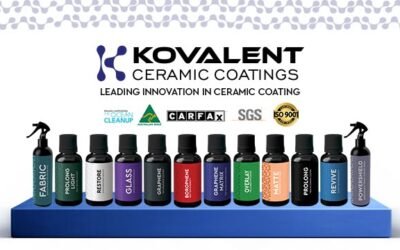
At Kovalent Coatings, professional-grade coating technologies are developed for automotive detailing professionals and coating specialists worldwide.
The Future of Coating Technology
The automotive coating industry continues evolving rapidly.
Advanced technologies now include:
- graphene coatings
- borophene coatings
- nano ceramic systems
- hybrid protective coatings
Borophene coatings are emerging as one of the newest innovations in next-generation automotive surface protection.
Explore:
Final Verdict
Both graphene coating and ceramic coating provide outstanding automotive paint protection compared to traditional waxes and sealants.
Ceramic coating remains a trusted and proven solution for:
- long-term protection
- gloss enhancement
- hydrophobic performance
Graphene coating introduces additional benefits such as:
- enhanced heat resistance
- better water spot management
- improved slickness
For vehicle owners seeking advanced surface protection technology, both options offer significant advantages when professionally applied and properly maintained.
Frequently Asked Questions
Is graphene coating better than ceramic coating?
Graphene coating may offer enhanced heat resistance, slickness, and water spot resistance, while ceramic coating remains highly trusted for durability and paint protection.
What is the difference between graphene and ceramic coating?
Graphene coating incorporates graphene materials into coating formulations to improve certain performance characteristics beyond traditional ceramic coating technology.
Does graphene coating last longer than ceramic coating?
Both coatings offer long-term durability, but actual lifespan depends heavily on installation quality, maintenance, and environmental exposure.
Which coating is better for hot climates?
Graphene coating is often preferred for extremely hot climates because of improved heat management and water spot resistance.
Does graphene coating reduce water spots?
Many graphene coatings are designed to improve water behavior and reduce water spotting compared to traditional ceramic coatings.
Is graphene coating worth it?
For many vehicle owners and professional detailers, graphene coating is considered worthwhile because of its advanced performance characteristics and improved maintenance benefits.