by admin | Sep 21, 2026 | Blog
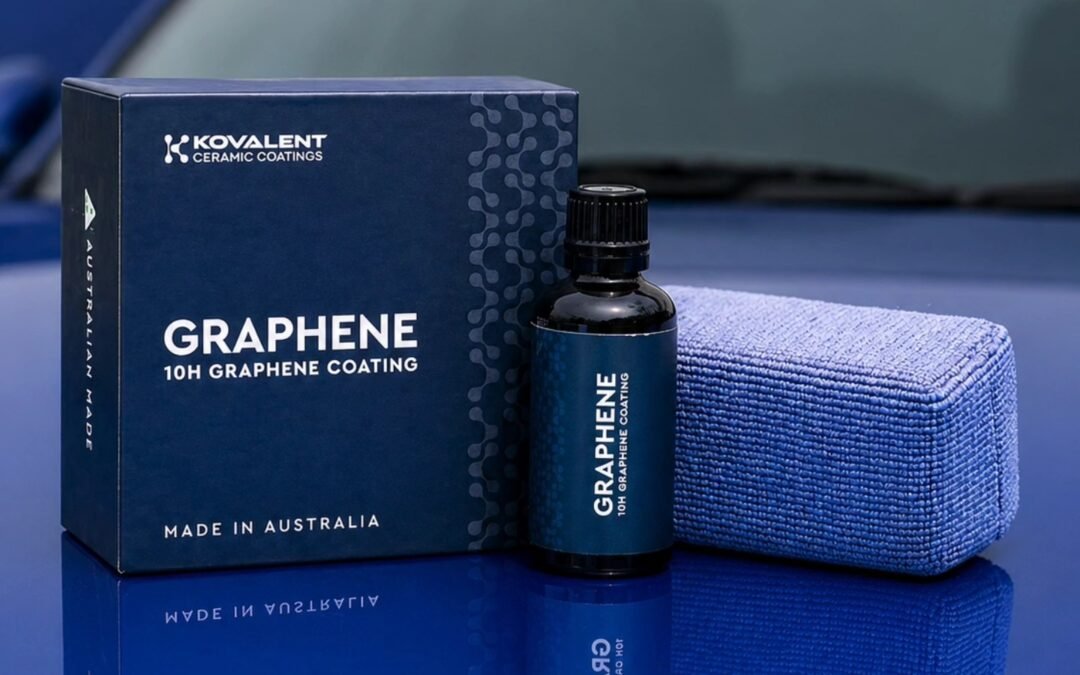
Your vehicle is a significant investment. However, the moment you drive it off the lot, the environment begins a relentless assault on its exterior. Between the harsh Australian sun, industrial fallout, and acidic bird droppings, your clear coat remains under constant...
by admin | Sep 17, 2026 | Blog
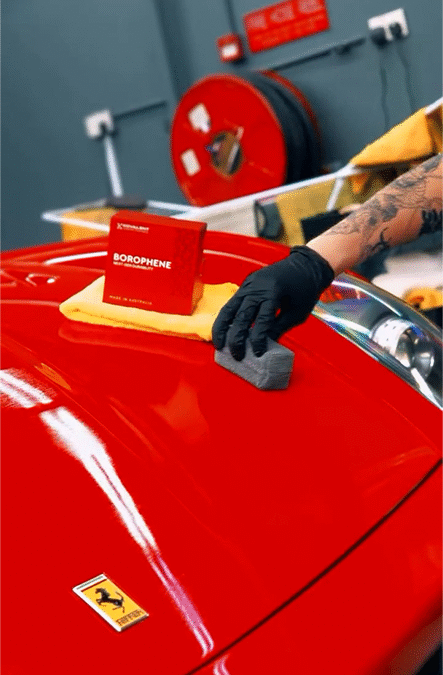
Professional ceramic coating helps protect vehicle paint from UV rays, road salt, pollution, bird droppings, tree sap, and environmental contaminants. For drivers in Berlin, Hamburg, Munich, and across Germany, Kovalent Coatings offers advanced Borophene, Graphene,...
by admin | Sep 16, 2026 | Blog, Revive
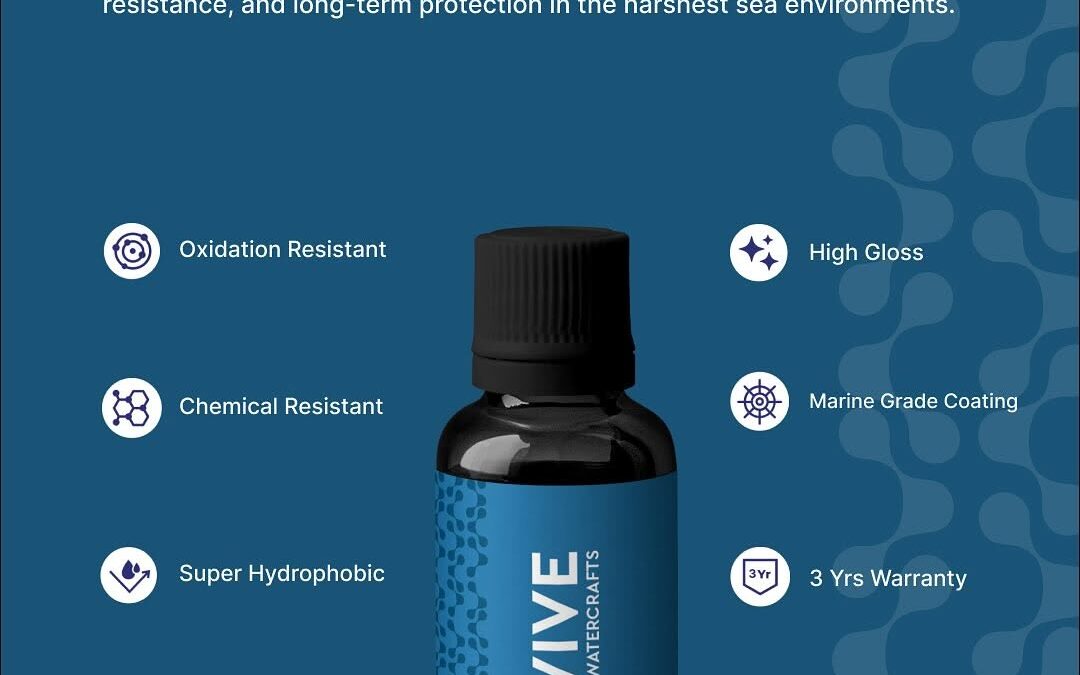
Yes, ceramic coating works on boats when a professional marine-grade coating is used. It forms a durable protective layer over fiberglass, gelcoat, and painted surfaces to help protect against UV rays, saltwater, oxidation, bird droppings, water stains, and marine...
by admin | Sep 15, 2026 | Blog
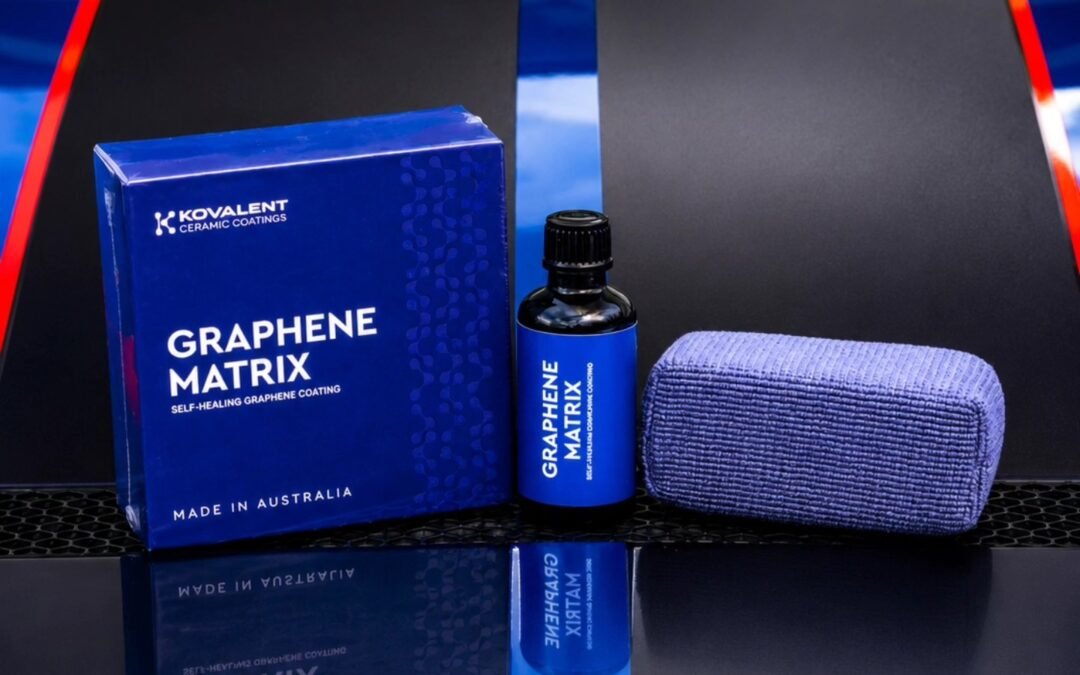
Owning a car in Delhi is a testament to style and status, but maintaining that showroom shine is a constant battle against the elements. From the scorching heat of June to the thick winter smog and the torrential monsoon rains, the capital’s climate is notoriously...
by admin | Sep 14, 2026 | Blog
Maintaining a vehicle in the “Silicon Valley of India” presents a unique set of challenges. Between the swirling red dust of construction, the scorching afternoon sun, and the unpredictable monsoon downpours, your vehicle’s factory paint is under...
by admin | Sep 11, 2026 | Blog
Saltwater environments present a massive challenge for boat owners. The combination of intense ultraviolet rays, abrasive salt crystals, and marine growth constantly attacks your boat hull. If you sail through rough coastal waters like the Gold Coast or park your...