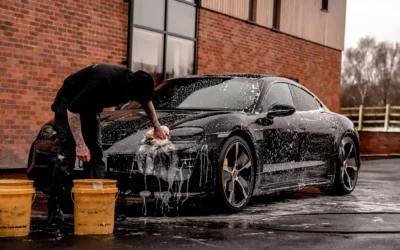
Ceramic coating is not just about protecting your vehicle. Given the harsh environment, especially in coastal regions, every vehicle requires additional protection. Coastal areas are exposed to salt, and the urban regions are exposed to chemical fallout and pollution. Therefore, it needs advanced surface protection across different industries. From aeroplanes to architectural glass to solar panels and boats, ceramic coating plays a vital role in preserving the performance, longevity, and appearance of these materials.
Ceramic coating creates a durable and invisible barrier at the core, which shields the surface from environmental damage. This makes it especially valuable for assets that are constantly exposed to sunlight, aggressive particles, moisture, and contaminants. The advanced formulation by Kovalent Coatings has made ceramic nanotechnology increasingly popular in the automotive, aviation, and marine sectors.
What are ceramic coatings, and why do they matter?
Ceramic coating can be defined as a type of advanced nano-engineered liquid polymer that chemically bonds to the vehicle paint. Once applied and cured, it begins bonding at the molecular level to the surface coating. Therefore, it creates a hard, hydrophobic, and chemically resistant layer.
Some of the major properties include the following.
- Water repellency (hydrophobicity) that prevents moisture retention
- UV resistance that slows fading, oxidation, and material degradation
- Chemical resistance against pollutants, salt, and acidic contaminants
- Reduced surface friction, making cleaning easier and safer
In the urban and coastal environments, surfaces get constantly attacked by airborne elements, soil spray, intense UV radiation and industrial fallout. Use of ceramic coating can reduce damage significantly and help surfaces retain their appearance and integrity for a long time.
Protecting boats and yachts in the marine sector
Marine vessels operate in the harshest environment that one can imagine. Humidity, algae growth, saltwater, prolonged UV exposure, and bird droppings can accelerate surface wear and corrosion. Traditional sealants and wax are not really a choice, as they degrade quickly under such extreme conditions.
Ceramic coating can be a great solution for the marine sector. The marine-grade ceramic coating, like Revive, is formulated in a way so that it creates a protective shell over the gelcoat, glass and metal. The barrier can limit salt penetration, reduce staining, and slow down oxidation.
Major benefits include the following
- Improved resistance to saltwater corrosion
- Hydrophobic surfaces that reduce algae and grime adhesion
- Enhanced UV protection for prolonged sun exposure
- Easier wash-downs with less aggressive cleaning
The advanced nanotechnology ceramic coating available at Kovalent has been designed for high-stress environments. These are particularly suitable for boats and yachts that need long-term protection with minimal maintenance.
Protecting solar panels for performance and efficiency
Solar panels have been designed to sit outdoors for decades. These are mostly created for dusty urban areas or coastal zones. Pollution and salt settle on glass surfaces. Accumulation of dirt can reduce light transmission and directly affect the energy output. Frequent manual cleaning can lead to higher maintenance costs and microscratches.
Ceramic coating for glass creates a self-cleaning surface. Application of Glass coating from Kovalent on the solar panels can repel water and reduce dust adhesion. Rainwater can easily rinse away loose contaminants more effectively and maintain a cleaner panel for better generation of electricity.
Major benefits include the following
- Improved light transmission consistency
- Reduced dirt, salt, and pollution buildup
- Lower cleaning frequency and maintenance costs
- Long-term UV stability
Professional application of ceramic coating can help the solar panel maintain its efficiency and extend the service life of the glass surface. It is crucial for both urban and coastal regions.
Protecting the aviation sector
Aircraft surfaces are exposed to extreme conditions. It receives temperature variations, high UV intensity, fuel residue, icing, chemicals, and other airborne contaminants. At coastal airports, salt, soil, and air can increase the risk of corrosion.
Use of ceramic coating in the aviation sector can be highly valuable. Ceramic coating provides a smooth and resistant surface, which protects aircraft, paint, exterior finishes, and metal components.
Major advantages include the following
- Enhanced resistance to UV degradation at altitude
- Reduced adhesion of dirt, insects, and chemical residues
- Easier and faster cleaning between flights
- Improved surface durability without adding weight
High-performing coatings like Revive, available from Kovalent, are suitable for such demanding environments. These are formulated to ensure consistency, durability, and surface integrity.
Choosing the right ceramic coating
It is important to know that not all ceramic coatings are the same. The formulation varies based on the environmental stress, surface type and performance expectations. At Kovalent, you can find several high-performance products that have been customised for different applications to ensure long-lasting protection with professional application.
Borophene and Graphene Matrix for the Automotive sector –
For car enthusiasts and everyday vehicles, Borophene and Graphene Matrix are flagship products for Kovalent. These are automotive ceramic coatings with professional-grade application designed to deliver outstanding environmental protection and deep gloss.
Why is it ideal?
- It offers paint protection with excellent chemical and UV resistance that prevents fading, oxidation and clearcoat degradation.
- It offers coastal and urban protection by repelling salt spray, pollutants, and moisture, which is critical for coastal and urban areas.
- It ensures durability and gloss while providing long-lasting hydrophobic protection, which can help to keep cars clean with simple washing.
Glass coating for solar panels and glass surfaces
Glass coating can be highly beneficial for glass surfaces like architectural windows, solar panels and canopies. It provides superior clarity and durability with minimal impact.
Why is it ideal?
- It provides a hydrophobic glass coating that helps reduce salt and dirt buildup, improving panel cleanliness and solar efficiency.
- It minimises the harmful effects of smog, acid rain, and salt mist on glass surfaces, making it ideal for coastal and urban regions.
- It has been designed specifically for glass to ensure light penetration is not reduced while providing maximum protection and easy cleaning.
Revive for marine vessels
Boats and yachts need proper coating, which can withstand intense saltwater exposure, biofouling, and UV rays. Revive from Kovalent can be an excellent choice for boats and yachts, and also to maintain boat interiors.
Why is it ideal?
- It protects gelcoat from the corrosive effects of the ocean environment.
- It has a hydrophobic surface that helps with self-cleaning, as water beads and removes contaminants.
- It provides you with durability that slows down surface oxidation and fading from prolonged sun exposure.
Altogether, this can produce high-performance, marine surface protection, extent, vessel, life, and minimise maintenance.
Revive the aviation sector
Aircraft surfaces generally operate in the most demanding environmental conditions. Temperature fluctuations, constant UV exposure at altitude, fuel residue, moisture, and airborne contaminants can badly deteriorate the surface. Restore is mostly used for aeroplane interiors, and Revive coating from Kovalent is created to protect against these challenges.
Why is it ideal?
- Revive provides strong resistance to UV exposure, moisture, and airborne pollutants, which are mostly encountered on the runways and at altitude.
- The water-repellent feature of Revive allows surfaces to easily release contamination and moisture, simplifying cleaning between flights.
Final thoughts
Ceramic coating at Kovalent has been created for different industries. It is far beyond this automotive sector. These can protect solar panels, boats, building glass, aeroplanes, and a wide range of outdoor surfaces. As it creates a durable and invisible barrier, it can reduce environmental damage, extend surface life, and simplify maintenance.
Professional application of ceramic coating is pivotal to protecting valuable assets with advanced solutions.