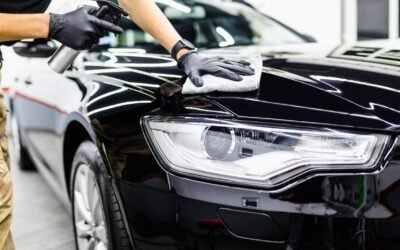
Surface Protection for Luxury Vehicles requires advanced inorganic chemical formulations that bond covalently to automotive clear coats, carbon fiber, and delicate trim. Installing a Premium Ceramic Coating for Luxury Cars shields soft factory finishes from intense UV radiation, bird droppings, acid rain, and environmental contaminants while preserving the high-gloss aesthetic and resale value of high-end automobiles.
Key Takeaways
Covalent Bonding: A specialized High End Vehicle Ceramic Coating creates a permanent molecular bond with factory clear coat layers, unlike temporary organic wax products.
Preserving Delicate Substrates: High-grade protection guards soft original equipment manufacturer (OEM) clear coats, carbon fiber accents, ceramic matrix brakes, and custom satin or matte paint finishes.
Chemical Immunity: Formulated matrices withstand severe chemical exposure from pH 2 to pH 13, shielding paintwork from acid rain, industrial fallout, and harsh washing detergents.
Thermal and UV Stability: Advanced silica and silicon carbide structures resist extreme solar heat without melting, sweating, or yellowing over long-term exposure.
Enhancing Depth and Hydrophobicity: Superhydrophobic surface angles exceeding 105 degrees prevent water spots, dirt adhesion, and surface contamination, making routine washing simple.
Understanding the Surface Protection Needs of Luxury Automobiles
Preserving exotic cars and high-end sedans presents unique technical challenges for detailers and vehicle owners. Exotic automakers often utilize softer clear coats, hand-painted finishes, exposed carbon fiber components, or specialized matte coatings that react poorly to standard abrasives and basic waxes.
+-----------------------------------------------------------------------+
|                    LUXURY VEHICLE PAINT SUBSTRATE                     |
+-----------------------------------------------------------------------+
        |                                       |
        v                                       v
+-------------------------------+       +-------------------------------+
|     STANDARD AUTOMOTIVE WAX   |       |   NANO-CERAMIC MATRIX LAYER   |
| * Organic polymer blend       |       | * SiO2 / SiC Cross-linking    |
| * Temporary physical adhesion |       | * Permanent covalent bonding  |
| * Degrades under heat & wash  |       | * Extreme chemical resilience |
| * Lifespan: 60 - 90 days      |       | * Lifespan: 36 - 60+ months   |
+-------------------------------+       +-------------------------------+
High-value automotive finishes require protection systems that shield delicate clear coats without altering optical clarity or adding undesirable texture. Selecting appropriate Luxury Car Paint Protection preserves factory originality while enhancing paint depth.
Why Do Exotic and Luxury Paints Require Specialized Protection?
Modern luxury vehicles employ complex painting techniques, including multi-stage metallic flakes, pearlescent coats, carbon-reinforced composites, and delicate soft-clear formulations. These substrates face specific environmental threats:
1. Soft OEM Clear Coat Vulnerability
Certain luxury European and Asian marques utilize soft clear coat formulations designed for self-healing properties or deep optical clarity. However, these surfaces scratch and swirl easily during routine washing if unprotected.
2. Carbon Fiber Resin Fading
Exposed carbon fiber panels feature clear resin coats that react strongly to ultraviolet radiation. Without permanent UV blockers, the resin oxidation process leads to milky yellow discoloration over time.
3. Chemical Contamination and Etching
Acidic environmental elements like bird droppings, insect splatter, and chemical fallout etch into soft clear coats within hours under warm ambient conditions.
4. Delicate Matte and Satin Finishes
Matte and satin factory finishes cannot be polished to remove imperfections, as buffing levels the texture and creates shiny spots. Protective coatings for matte surfaces must provide chemical defense without altering the intended low-gloss appearance.
Comparing Protection Systems for High-End Automobiles
Evaluating protection options helps studio owners, fleet operators, and collectors select the proper system for specific driving conditions.
| Attribute / Performance Feature | Traditional Carnauba Wax | Synthetic Polymer Sealants | High End Vehicle Ceramic Coating | Paint Protection Film (PPF) Topcoat |
| Primary Base Chemistry | Organic natural waxes | Synthetic siloxanes & resins | Liquid Silicon Dioxide / Silicon Carbide | Polyurethane + Infused Nanocoating |
| Bond Type | Weak physical layer | Mechanical surface grip | Covalent chemical cross-linking | Adhesive mechanical bond |
| Chemical Tolerance | Low (pH 6 – pH 8) | Moderate (pH 4 – pH 10) | High (pH 2 – pH 13) | High (pH 2 – pH 12) |
| Heat Resistance | Degrades above 60°C | Softens above 100°C | Stable up to 750°C | Softens under extreme heat |
| Optical Clarity | Warm, short-lived shine | Synthetic reflective shine | Crystalline depth and gloss enhancement | Clear impact protection layer |
| Impact Protection | None | None | Micro-scratch resistance | High rock chip protection |
| Service Lifespan | 1 to 3 months | 3 to 6 months | 36 to 60+ months | 5 to 10 years |
Key Benefits of Professional Surface Protection for Exotic Cars
Installing Professional Surface Protection for Exotic Cars offers distinct structural and aesthetic advantages over traditional detailing products:
Long-Term UV Deflection: Nanoparticles block harmful ultraviolet rays, stopping clear coat oxidation and preventing paint fading on garage-kept or outdoor-driven vehicles.
Hydrophobic Self-Cleaning Properties: The smooth crystalline matrix repels water droplets and surface dust, allowing debris to slide off during routine rinses.
Enhanced Visual Depth: High-purity silicon formulations fill microscopic imperfections in clear coats, producing a mirror-like finish on glossy paints and rich depth on satin tones.
Chemical Resistance: Protective coatings act as a sacrificial barrier against environmental contamination, tree sap, road tar, and acidic rain deposits.
Preservation of Collector Value: Maintaining original factory paint free from heavy correction cycles preserves historical authenticity and vehicle market value.
Step-by-Step Installation Protocol for Luxury Vehicle Protection
Applying a high-performance coating to an exotic or luxury vehicle demands strict environmental controls, precise surface correction, and systematic application protocols.
1. Multi-Stage Decontamination Washing
Wash the vehicle using pH-neutral foam shampoos and soft microfiber tools. Apply iron fallout removers and mild clay treatments to extract embedded contaminants from clear coat pores without scratching delicate surfaces.
2. Surface Inspection and Paint Correction
Examine paint depth using digital ultrasound gauges to verify clear coat thickness. Perform multi-stage machine polishing to eliminate swirl marks, light scratches, and haze while preserving as much factory clear coat as possible.
3. Isopropanol Surface Cleanse
Wipe every panel thoroughly using a high-purity isopropyl alcohol solvent cleaner. This process strips away remaining polishing oils, waxes, and fillers, leaving bare paintwork ready for chemical bonding.
4. Precision Coating Application
Apply liquid ceramic coating using specialized lint-free applicator blocks in overlapping grid patterns ($2\text{ ft} \times 2\text{ ft}$ sections). Allow the solvent carrier to flash off, then buff the surface gently with fresh microfiber towels to remove high spots.
5. Controlled Curing Process
Store the vehicle in a climate-controlled environment free from moisture, dust, and temperature swings for 12 to 24 hours. Infrared curing lamps can accelerate cross-linking to achieve maximum glass-like surface hardness.
Common Application Mistakes to Avoid on High-End Vehicles
Over-Polishing Thin Factory Clear Coats: Excessive compounding on thin clear coats weakens substrate integrity. Always measure paint depth before polishing.
Applying Coatings over Residual Oils: Skipping the panel wipe step leaves polishing oils behind, preventing the nanocoating from forming a permanent bond.
Ignoring Environment Humidity and Temperature: High ambient humidity causes coatings to flash too quickly, creating dark streaks and high spots on dark paint colors.
Neglecting Trim and Carbon Components: Leaving trim, badges, or carbon fiber unsealed leaves those areas exposed to weathering and discoloration.
Frequently Asked Questions
How does ceramic coating protect soft clear coats on luxury vehicles?
Ceramic coatings form a hard crystalline layer over factory paintwork, filling micro-pores and increasing surface resistance against fine swirl marks, minor washing abrasion, and environmental exposure.
Can ceramic coatings be applied over Paint Protection Film (PPF)?
Yes. Applying a specialized ceramic coating over PPF adds hydrophobic properties, UV stability, and stain resistance to the film, making it easier to clean and extending its service life.
Are ceramic coatings safe for factory matte or satin finishes?
Yes, provided a formulation designed specifically for matte surfaces is used. These coatings protect the surface from stains and chemical etching without adding unwanted gloss or altering the original texture.
How long does a high-end vehicle ceramic coating last?
Professional-grade ceramic coatings typically last between 3 and 5 years when applied properly and maintained with pH-neutral washing routines.
Will ceramic coatings prevent rock chips on exotic sports cars?
No. While ceramic coatings provide excellent scratch and chemical resistance, they are too thin to absorb high-velocity impacts from road debris. For rock chip defense, install Paint Protection Film (PPF) and top-coat it with ceramic protection.
How should a ceramic-coated luxury car be washed?
Wash the car using a two-bucket method with grit guards, a pH-neutral automotive shampoo, and soft microfiber mitts. Avoid automated brush car washes and harsh degreasers that degrade protective layers over time.
Elevate Your Detailing Business with Kovalent Coatings
At Kovalent Coatings, we manufacture advanced surface protection technologies engineered for professional installers, automotive distributors, and private-label brand owners. Our high-purity silicon formulations deliver durable chemical resistance, optical clarity, and extreme hydrophobicity for exotic, luxury, and commercial vehicles.
Contact our specialist team today to inquire about distribution partnerships, request technical product samples, or explore custom private-label manufacturing solutions for your brand.