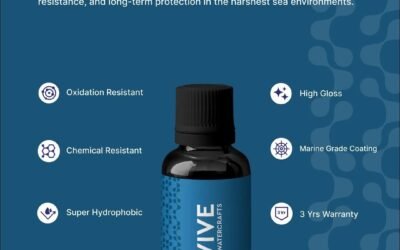
Borophene coating is an advanced surface protection technology that combines traditional ceramic coating chemistry with boron-based nanotechnology to create an exceptionally durable, slick, and chemically resistant protective layer. Often referred to as a next generation ceramic coating, borophene coating is designed to deliver superior gloss, enhanced hydrophobic performance, improved durability, and long-term protection against environmental contaminants.
Key Takeaways
- Borophene coating is one of the latest innovations in automotive paint protection.
- It builds upon traditional ceramic coating technology using advanced boron-based nanotechnology.
- Borophene coatings offer excellent gloss, slickness, and hydrophobic performance.
- They help protect vehicle surfaces from UV exposure, oxidation, chemical contaminants, and environmental damage.
- Many industry experts view borophene as a next generation ceramic coating technology.
- Professional application ensures optimal durability and long-term performance.
What Is Borophene Coating?
The automotive detailing industry has continually evolved in its pursuit of better paint protection solutions. From traditional waxes and sealants to ceramic and graphene coatings, every new innovation has aimed to provide stronger protection and longer-lasting results.
Borophene coating represents the latest step in that evolution.
A borophene coating is an advanced nano-coating technology formulated with boron-based materials that enhance the performance of traditional ceramic coatings. Once applied to a vehicle’s surface, it creates a durable protective layer designed to resist environmental contaminants, UV radiation, chemical exposure, and daily wear.
As vehicle owners increasingly demand higher levels of protection and easier maintenance, borophene technology is gaining attention as one of the most promising developments in the surface protection industry.
What Is Borophene?
Borophene is a two-dimensional material composed of boron atoms arranged in an ultra-thin atomic structure.
In scientific research, borophene has attracted significant interest because of its:
- High strength-to-weight ratio
- Exceptional flexibility
- Advanced conductivity properties
- Potential durability advantages
While automotive coatings do not use pure laboratory-grade borophene sheets, boron-based nanotechnology can be incorporated into coating formulations to enhance performance characteristics.
This has led to the development of advanced borophene coating systems that offer improved protection and surface performance compared to earlier coating technologies.
Why Is Borophene Considered a Next Generation Ceramic Coating?
Traditional ceramic coatings revolutionized paint protection by creating a durable barrier that bonded with a vehicle’s clear coat.
Graphene coatings later introduced enhanced slickness, heat management, and water behavior.
Borophene coatings take this innovation even further.
As a next generation ceramic coating, borophene technology is designed to improve:
- Surface slickness
- Hydrophobic performance
- Chemical resistance
- Gloss enhancement
- Environmental durability
- Long-term protection
This evolution reflects the industry’s ongoing effort to create coatings that perform better under real-world driving conditions.
How Does Borophene Coating Work?
Borophene coating works by forming a microscopic protective layer over the vehicle’s paint surface.
The application process typically includes:
- Surface decontamination.
- Paint correction if necessary.
- Precision coating application.
- Controlled curing.
Once cured, the coating creates a durable barrier that helps:
- Repel water
- Resist contaminants
- Minimize dirt adhesion
- Protect against UV exposure
- Reduce oxidation
- Enhance gloss retention
The result is a smoother, cleaner, and easier-to-maintain surface.
Main Benefits of Borophene Coating
Superior Hydrophobic Performance
One of the most desirable features of borophene coating is its ability to repel water.
Water forms tight beads and rolls off the surface, helping remove light contamination and making routine maintenance easier.
This hydrophobic behavior helps keep vehicles cleaner for longer periods.
Exceptional Gloss and Depth
Vehicle owners often choose advanced coatings to enhance appearance as well as protection.
Borophene coatings can help:
- Increase paint depth
- Improve reflection
- Enhance color richness
- Deliver a premium finish
The result is a deep, glossy appearance that remains impressive long after application.
Enhanced Chemical Resistance
Modern vehicles are constantly exposed to contaminants such as:
- Bird droppings
- Tree sap
- Industrial fallout
- Road grime
- Acid rain
Borophene coatings create a protective barrier that helps minimize the impact of these contaminants on the vehicle’s paintwork.
Long-Term Paint Protection
A professional borophene coating helps preserve the vehicle’s finish by reducing exposure to environmental damage.
This can help maintain:
- Paint clarity
- Surface smoothness
- Gloss retention
- Overall vehicle appearance
for years when properly maintained.
Borophene Coating vs Ceramic Coating
Many vehicle owners want to understand how borophene compares to traditional ceramic coatings.
| Feature | Borophene Coating | Traditional Ceramic Coating |
|---|---|---|
| Hydrophobic Performance | Excellent | Excellent |
| Surface Slickness | Very High | High |
| Gloss Enhancement | Excellent | Excellent |
| Chemical Resistance | Enhanced | High |
| UV Protection | Strong | Strong |
| Durability | Very High | High |
| Environmental Resistance | Enhanced | High |
Both technologies provide outstanding paint protection, but borophene coatings are designed to represent the next stage in coating innovation.
Borophene Coating vs Graphene Coating
Graphene coatings introduced significant improvements over traditional ceramic coatings.
Borophene technology continues this evolution by focusing on:
- Advanced surface performance
- Enhanced durability
- Increased slickness
- Long-term protection
As research and product development continue, borophene coatings are becoming an increasingly attractive option for professional detailers and coating specialists.
Where Can Borophene Coating Be Applied?
Professional borophene coatings can be applied to multiple vehicle surfaces, including:
- Painted panels
- Wheels
- Exterior trim
- Headlights
- Gloss plastics
- Certain glass surfaces
This versatility makes borophene coating suitable for a wide range of automotive protection applications.
Why Professional Application Matters
The quality of installation has a significant impact on coating performance.
Professional application typically includes:
- Paint decontamination
- Machine polishing
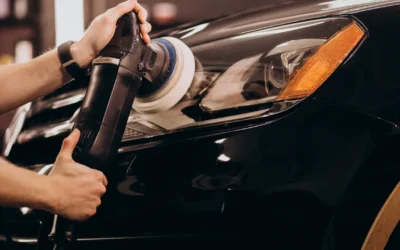
- Surface preparation
- Precision coating installation
- Proper curing procedures
Without adequate preparation, even the most advanced coating technology cannot achieve its full potential.
The Future of Surface Protection
The automotive coating industry is evolving rapidly.
Vehicle owners today have access to technologies that were unimaginable just a decade ago. What began with simple wax protection has progressed to ceramic coatings, graphene coatings, and now advanced borophene coating systems.
As manufacturers continue to invest in nanotechnology and material science, borophene coatings are expected to play an increasingly important role in the future of automotive surface protection.
For professional detailers seeking the latest innovation, borophene technology represents an exciting new frontier.
Final Thoughts
Borophene coating is emerging as one of the most advanced developments in automotive paint protection.
By combining proven ceramic coating technology with advanced boron-based nanotechnology, it offers vehicle owners enhanced protection, improved hydrophobic performance, exceptional gloss, and long-term durability.
As a next generation ceramic coating, borophene technology is helping redefine expectations for surface protection and automotive detailing.
Frequently Asked Questions
What is borophene coating?
Borophene coating is an advanced protective coating that utilizes boron-based nanotechnology to enhance paint protection, durability, and surface performance.
Why is borophene coating called a next generation ceramic coating?
Borophene coating builds upon traditional ceramic coating technology by incorporating advanced materials designed to improve protection, slickness, and durability.
Is borophene coating better than ceramic coating?
Both technologies provide excellent paint protection. Borophene coatings are designed to offer enhanced performance characteristics and represent a newer generation of coating technology.
How long does borophene coating last?
Longevity depends on product quality, installation, maintenance, and environmental conditions. Professional-grade coatings are designed for long-term protection.
Does borophene coating improve gloss?
Yes. Borophene coatings can enhance paint depth, clarity, reflectivity, and overall appearance.
Can borophene coating be applied to new cars?
Absolutely. Applying a borophene coating to a new vehicle can help preserve the factory finish from the beginning.
Is borophene coating worth it?
For vehicle owners seeking cutting-edge paint protection technology, borophene coating offers a compelling combination of durability, appearance enhancement, and long-term value