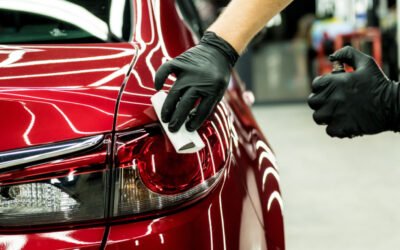
Modern automotive paint is thin, water-based, and highly susceptible to environmental damage. Car owners and professional detailers frequently debate two leading technologies to preserve exterior bodywork: Ceramic Coating and Paint Protection Film (PPF). While both options shield exterior paintwork from environmental elements, they use entirely different chemical structures and solve different real-world problems.
As an original nanoceramic manufacturer engineering advanced surface protection solutions, Kovalent Coatings understands the material sciences behind both systems. We even developed Kovalent OVERLAY, a specialised advanced Silicon Dioxide (SiO₂) coating designed exclusively to protect PPF itself. This comprehensive guide delivers a chemistry-first breakdown of the pros, cons, and precise use cases for Ceramic Coating and PPF to help you make an informed asset-protection decision for your vehicle.
- Ceramic Coating is a liquid nanotechnology polymer that chemically bonds to the factory clear coat. It excels at delivering extreme optical clarity, superhydrophobic water beading, chemical defence, and total UV protection.
- Paint Protection Film (PPF) is a thick, physical thermoplastic polyurethane (TPU) layer applied directly over the paintwork. It excels at absorbing heavy physical impacts, completely preventing rock chips, road debris damage, and deep scratches.
Understanding Ceramic Coating:
Professional ceramic coatings, such as Kovalent Prolong or Kovalent Revive, utilise liquid nanotechnology to create a permanent semi-permanent barrier. These formulations use advanced SiO₂ nanoparticles that range from 20nm to 50nm to fill the microscopic pores of the factory clear coat, creating an ultra-dense, glass-like sacrificial layer.
Next-generation variations elevate this performance further. For instance, the Kovalent Graphene Matrix coating incorporates Graphene reduced oxide to increase surface flexibility and thermal conductivity. This allows the surface to dissipate heat rapidly across the entire panel, drastically reducing localised water spotting in hot, humid climates.
The Pros of Ceramic Coating
- Optical Brilliance: It maximises light refraction for an extreme showroom mirror gloss and deep colour richness.
- Superhydrophobic Action: It creates a high water contact angle that repels water, dirt, mud, and industrial pollution.
- Chemical Immunity: It provides exceptional chemical defence against acidic bird droppings, tree sap, and bug splatter.
- Effortless Maintenance: The slick surface prevents dirt adhesion, cutting routine maintenance washing time in half.
- Business Profitability: It offers a lower upfront installation cost and faster shop turnaround times compared to full-body wraps.
The Cons of Ceramic Coating
- No Impact Resistance: The cured nanomatrix layer is far too thin to stop high-velocity stone chips or deep road debris scratches.
- Demanding Installation: It requires intensive multi-stage paint correction, decontamination, and strict ambient climate control during application.
Understanding Paint Protection Film (PPF):
Paint Protection Film represents a completely different engineering approach to surface defence. Instead of a liquid chemical bond, PPF utilises a high-grade, multi-layered transparent thermoplastic polyurethane (TPU) film installed directly over the paint job. It acts as a heavy-duty physical cushion designed to absorb and dissipate the kinetic energy of flying road debris.
Modern premium films incorporate advanced elastomeric polymers within their top clear coat layer. When this layer sustains light surface scuffs, micro-marring, or wash-induced swirl marks, the elastomeric structure can restore its original flat shape when exposed to ambient heat, sunlight, or warm water. This unique characteristic gives PPF its famous self-healing property.
The Pros of PPF
- Absolute Impact Defence: It provides the ultimate shield against highway rock chips, flying gravel, and parking lot scratches.
- True Self-Healing: Superficial blemishes and swirl marks completely disappear with the application of minor heat.
- Aesthetic Versatility: It allows car owners to alter vehicle appearance via unique visual finishes like matte, satin, or custom colour tints.
The Cons of PPF
- High Financial Investment: Full-body professional installation is incredibly labour-intensive, making it a major upfront expense.
- Vulnerability to Staining: Polyurethane is porous, meaning it remains susceptible to organic etching, industrial staining, and edge peeling if left unprotected.
- Complex Replacement: If a section becomes severely torn or damaged, the entire body panel wrap must be stripped and replaced at a high financial cost.
| Protection Feature | Professional Ceramic Coating (e.g., Graphene Matrix) | Premium Paint Protection Film (PPF) |
| Primary Material | Silicon Dioxide (SiO₂) / Graphene Reduced Oxide | Thermoplastic Polyurethane (TPU) |
| Thickness Profile | Ultra-thin molecular layer | Heavy-duty multi-layered physical film |
| Rock Chip Defence | None (Resists minor micro-marring and wash swirls) | Absolute (Absorbs high-speed gravel impacts) |
| Hydrophobic Slickness | Extreme (Water beads and sheets away instantly) | Moderate (Varies heavily by film brand) |
| Visual Enhancement | Maximises light refraction for an extreme shine | Preserve the original look or convert to matte/satin |
| Environmental Staining | High resistance against acids, bugs, and tree sap | Vulnerable to organic etching and yellowing |
| Average Longevity | 5 to 9 Years (Based on product selection) | 5 to 10 Years (Varies by environmental exposure) |
Choosing the Right System: Practical Automotive Use Cases
Every vehicle faces different driving conditions, meaning your choice should depend on direct operational wear.
The Urban Commuter & Aesthetic Enthusiast
If your vehicle primarily navigates urban city streets and parks in enclosed residential spaces, and your primary goal is an intense, glass-like shine with simple maintenance washes, professional ceramic or graphene coatings are your ideal match. It delivers elite environmental protection and deep gloss without the high capital expense of film.
The Highway Cruiser & Track Day Driver
If your vehicle regularly tackles highway construction zones, long-distance gravel pathways, or high-speed track environments, PPF is a non-negotiable requirement for your high-wear panels. This level of impact defence makes film a highly popular choice for automotive detailers sourcing specialised films in high-traffic regions like Burlington, Ontario, Canada and Singapore.
The Ultimate Solution: The Hybrid Strategy
Elite global detailing shops rarely look at these technologies as direct competitors. Instead, they recommend a hybrid approach to achieve total vehicle preservation. Install heavy-duty PPF on high-impact zones such as the front bumper, hood, fenders, side mirrors, and rocker panels to stop rock chip rash. Then, apply a premium ceramic coating across the remaining body panels to ensure uniform gloss, chemical resistance, and superhydrophobic self-cleaning.
Protecting the Protection: Kovalent OVERLAY
While PPF absorbs physical stone impacts, the porous polyurethane film remains highly vulnerable to UV fading, environmental yellowing, and deep chemical etching from bird droppings or industrial fallout. To solve this problem, we engineered Kovalent OVERLAY.
OVERLAY is an advanced, highly concentrated SiO₂ coating formulated specifically to bond with solvent-resistant films. Applying OVERLAY directly over your PPF locks out environmental contaminants, blocks harmful UV rays, increases hydrophobic performance, and preserves film flexibility without risking adhesive failure or material degradation.
Upgrade Your Shop’s Protection Standards
Ceramic coatings and Paint Protection Film are complementary technologies that work better together. Implementing a unified protection strategy allows detailing studios to offer comprehensive vehicle preservation that addresses both severe physical impacts and aggressive environmental wear.
Professional detailing operations can bypass third-party distributor markups by ordering authentic, manufacturer-grade supplies directly from our network. Kovalent Coatings develops and manufactures its entire catalogue of nanotechnology surface sealants in Hornsby, Australia, to guarantee strict quality control and predictable chemical purity.
Whether your automotive studio runs out of Andover, NJ, Sacramento, California, USA, or Chandigarh, India, you can secure factory-direct pricing on premium coatings and specialised film protection systems. Visit the official Kovalent Coatings portal to register your shop, explore our advanced inventory, and join an exclusive global network of accredited surface protection specialists.
Frequently Asked Questions
Which is better, ceramic coating or PPF?
Neither is universally better. PPF is a thick film designed to stop rock chips and physical impacts, while ceramic coating is a liquid polymer designed for extreme gloss, hydrophobicity, and chemical defence.
Can you put a ceramic coating over Paint Protection Film (PPF)?
Yes. Applying a specialised film coating like Kovalent OVERLAY over PPF protects the porous polyurethane from UV fading, yellowing, organic stains, and chemical etching.
Does ceramic coating stop rock chips?
No. While professional ceramic coatings resist minor micro-marring and wash swirls, the cured nanotechnology layer is far too thin to absorb the impact of flying highway stones.
Why is PPF so much more expensive than ceramic coating?
PPF costs more because thermoplastic polyurethane is expensive to manufacture, and the installation process requires intensive multi-day labour to precisely stretch and squeeze the film.
How do professional detailers purchase Kovalent Coatings products?
Approved professionals can register an enquiry through the official Kovalent Coatings online portal to purchase authentic formulas directly from our global manufacturing network.