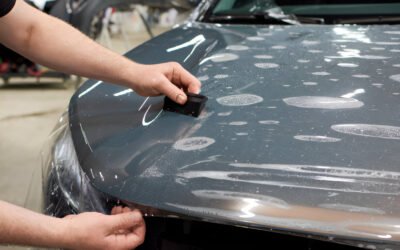
The Best Ceramic Coating for Indian Weather Conditions requires high silicon dioxide or silicon carbide purity to resist extreme surface temperatures, heavy monsoons, and industrial dust. Selecting a true Ceramic Coating for Indian Climate challenges ensures permanent chemical cross-linking, blocking thermal oxidation, resisting acid rain spotting, and delivering a Long Lasting Car Ceramic Coating India vehicle owners and detailing professionals can trust.
Key Takeaways
Thermal Resistance: A dedicated Heat Resistant Ceramic Coating for Cars withstands vehicle surface temperatures exceeding 70°C caused by direct tropical sunlight.
Monsoon Hydrophobicity: Specialized formulations offer Ceramic Coating for Monsoon Protection by preventing mineral etching from hard rain water and acidic runoff.
Chemical Stability: High-purity ceramic matrices resist environmental contaminants like bird droppings, tree sap, road grime, and harsh alkaline washing soaps.
Paint Clear Coat Preservation: Chemically bonding to automotive clear coats prevents clear coat failure, paint yellowing, and surface oxidation caused by continuous UV radiation.
Maintenance Efficiency: Hydrophobic properties reduce maintenance effort, making routine washing faster while eliminating the need for frequent waxing.
Understanding Paint Challenges in the Indian Environment
Managing automotive surfaces across tropical and sub-tropical regions presents distinct environmental challenges. Standard vehicle paints face high thermal exposure, humidity variations, and heavy particulate fallout throughout the year.
+-----------------------------------------------------------------------+
|                    AUTOMOTIVE CLEAR COAT SUBSTRATE                    |
+-----------------------------------------------------------------------+
        |                                       |
        v                                       v
+-------------------------------+       +-------------------------------+
|     STANDARD AUTOMOTIVE WAX   |       |    CERAMIC COATING MATRIX     |
| * Organic carnauba polymers   |       | * Inorganic SiO2 / SiC bonds  |
| * Softens at temperatures >60°C|      | * Thermal tolerance up to 750°C|
| * Strips during heavy rainfall|       | * Chemical resilience pH 2-13 |
| * Lifespan: 1 to 3 months     |       | * Lifespan: 2 to 5 years      |
+-------------------------------+       +-------------------------------+
Car clear coats consist of organic polymers. When exposed to harsh conditions, these polymers break down, leading to loss of gloss, microscopic pitting, and deep oxidation.
Key Climate Factors Impacting Vehicle Paintwork
Selecting the right paint protection requires evaluating four primary regional factors.
1. Extreme Heat and UV Exposure
Peak summer ambient temperatures routinely cross 45°C. Dark vehicle panels absorb infrared energy, pushing surface metal temperatures above 70°C. Standard organic waxes soft-melt under these conditions, attracting airborne dust and accelerating paint oxidation.
2. Heavy Monsoons and Acidic Rainfall
Monsoon seasons bring rapid rain cycles combined with high atmospheric humidity. Atmospheric pollutants dissolve into rainwater, forming acidic deposits. When rain droplets dry under sudden sunlight, mineral salts etch directly into unprotected clear coat pores.
3. Dust, Sand, and Industrial Fine Particulates
Urban and semi-urban environments carry high concentrations of silica dust and industrial particulate matter. Washing a dusty car with traditional towels creates micro-scratches and swirl marks across the clear coat.
4. Hard Water Washing Conditions
Groundwater and municipal tap water used for vehicle washing often contain elevated levels of dissolved calcium and magnesium. These minerals form stubborn water spots that bond to raw clear coats.
Evaluating Paint Protection Options
Comparing traditional protection methods helps illustrate why advanced ceramic formulations perform reliably under harsh environmental conditions.
| Property / Feature | Traditional Carnauba Wax | Synthetic Polymer Sealant | Professional Ceramic Coating |
| Primary Chemical Structure | Natural organic wax esters | Synthetic acrylic/siloxane polymers | Inorganic Silicon Dioxide / Silicon Carbide |
| Bonding Mechanism | Physical surface layer | Mechanical adhesion | Covalent chemical bond to clear coat |
| Thermal Threshold | Softens at ~60°C | Degrades at ~100°C | Heat resistant up to 750°C |
| Chemical Resistance | Weak (pH 6 to pH 8) | Moderate (pH 4 to pH 10) | Strong (pH 2 to pH 13) |
| Monsoon Resistance | Low (Washes off easily) | Moderate (Lasts 2 to 4 rain cycles) | High (Prevents acid and mineral etching) |
| Expected Durability | 1 to 2 months | 4 to 6 months | 24 to 60 months |
Technical Formulation Requirements for Extreme Conditions
A high-performance formulation designed for tropical and monsoon climates must meet specific engineering standards:
High Active Solid Content: Formulations with high levels of pure Silicon Dioxide / Silicon Carbide create dense cross-linked glass layers rather than thin cosmetic films.
Controlled Solvent Evaporation: Solvents must flash evenly during application, even in high-humidity or high-temperature shop conditions.
High Hydrophobic Water Contact Angle: Water contact angles exceeding 105 degrees ensure rapid water shedding, taking surface dust away during rain.
Flexibility and Thermal Expansion: The cured coating must expand and contract alongside the metal body panel without cracking or delaminating.
Step-by-Step Professional Application Protocol
Achieving maximum durability requires careful surface preparation and precise application.
Common Application Mistakes to Avoid
Working with professional-grade ceramic coatings requires avoiding critical application errors:
Applying in Direct Sunlight: High panel temperatures cause solvents to flash too quickly, creating dark smears and high spots that require machine compounding to fix.
Inadequate Polish Oil Removal: Skipping the panel wipe leaves polishing lubricants behind, preventing the coating from bonding directly to the paint.
Exposing Fresh Coating to Water: Exposing the car to moisture or rain during the first 24 hours interrupts cross-linking, causing premature wear and reduced hydrophobicity.
Using Abrasive Washing Tools: Cleaning coated vehicles with harsh brushes or dirty sponges introduces swirl marks over time.
Frequently Asked Questions
How does heat affect ceramic coatings on dark-colored cars?
Quality coatings use inorganic silicon formulations that resist thermal breakdown up to several hundred degrees Celsius. They remain stable even when dark paint panels reach 70°C under direct summer heat.
Will a ceramic coating prevent water spots during the monsoon season?
Ceramic coatings make surfaces hydrophobic, causing rainwater to bead up and slide off easily. While water spots can still form if dirty mineral-heavy water evaporates completely on the panel, the protective barrier prevents those minerals from etching into the underlying clear coat.
How long does a professional ceramic coating last under harsh weather conditions?
A high-purity professional coating typically lasts between 2 and 5 years, depending on surface preparation, product composition, and routine washing habits.
Can ceramic coatings prevent scratches from dust and daily wiping?
Cured ceramic coatings add measurable surface hardness (up to 9H standards), helping resist fine micro-scratches during regular washing. However, they do not make the vehicle scratch-proof against deep key marks or heavy stone chips.
Is ceramic coating better than Paint Protection Film (PPF) for heat protection?
Ceramic coatings offer superior heat resistance and chemical stability without yellowing or peeling over time. For maximum protection against physical impacts like gravel chips, combining PPF with a top layer of ceramic coating offers the best results.
How should a ceramic-coated car be washed after heavy rain?
Rinse the car with clean water to flush away mud and road grit. Wash using a soft microfiber mitt and a pH-neutral shampoo, then dry thoroughly with a high-GSM microfiber towel.
Partner with Kovalent Coatings for Advanced Paint Protection
At Kovalent Coatings, we formulate high-performance surface protection systems engineered to withstand extreme climates, thermal stress, and chemical exposure. Whether running an established detailing studio, distributing automotive supplies, or seeking private-label coating formulations, our technology delivers reliable results.
Contact our business development specialists today to explore distribution partnerships, private-label manufacturing options, or technical product specifications.