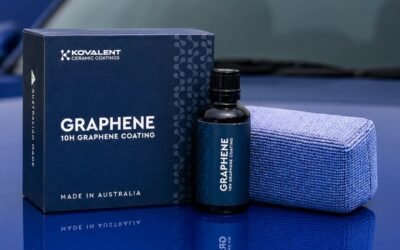
Marine Ceramic Coating vs Wax for Boats comes down to durability, protection levels, and long-term maintenance costs. Marine ceramic coating utilizes silicon dioxide or silicon carbide technology to form a rigid chemical bond with gelcoat and paint, offering 2 to 3 years of UV, salt oxidation, and chemical resistance. Marine wax sits on top of the surface, offering high gloss and quick application, but breaks down within 2 to 4 months under harsh marine environments.
Key Takeaways
- Chemical Bonding vs Physical Layer: Marine ceramic coating chemically cross-links with the gelcoat matrix, while boat wax creates a temporary surface layer that washes away easily under intense salt spray.
- UV and Oxidation Resistance: Silicon-based coatings provide permanent UV blocking capabilities to prevent yellowing and gelcoat chalking. Marine wax melts under extreme ambient thermal exposure.
- Service Lifespan: Professional boat ceramic coating formulations endure 24 to 36 months, whereas traditional marine wax vs ceramic coating comparisons show wax lasting only 8 to 12 weeks.
- Hydrophobic Properties: Coatings maintain a high water contact angle (exceeding 105°), making hull maintenance simple with routine fresh-water rinses.
- Return on Investment: While initial application costs for coatings are higher, the reduction in labor, reapplication frequency, and surface correction makes ceramic coating for boats far more cost-effective over a multi-year lifespan.
Understanding Marine Paint Protection: Marine Ceramic Coating vs Wax for Boats
Protecting a vessel’s exterior requires an understanding of marine substrates. Whether managing fiberglass, gelcoat, or painted hulls, watercraft face severe environmental factors including ultraviolet radiation, continuous salt spray, organic algae growth, industrial fallout, and fuel residues. Selecting the right protection method is essential to maintaining aesthetic appeal and structural integrity.
What Is Marine Wax?
Traditional marine wax relies primarily on naturally occurring substances like carnauba palm wax mixed with synthetic polymers, solvents, and mineral oils.
When applied to a hull, the solvent content evaporates, leaving a soft physical film over the porous gelcoat. This sacrificial layer fills micro-fissures in the surface, creating an immediate deep shine and hydrophobic effect.
Limitations of Marine Wax
- Low Thermal Tolerance: Natural carnauba waxes begin to soften and degrade at temperatures above 60°C (140°F). Dark hulls exposed to direct sunlight quickly exceed these temperatures, causing the wax layer to sweat out and dissipate within weeks.
- Chemical Deterioration: Standard boat washes, salt water, alkaline degreasers, and fuel spills strip traditional wax coats easily.
- High Maintenance Labor: Maintaining baseline protection requires application every two to four months, driving up labor and haul-out expenses for vessel owners and fleet managers.
What Is Marine Ceramic Coating?
A professional marine ceramic coating utilizes advanced nanotechnology featuring liquid Silicon Dioxide, Silicon Carbide, or Polysilazane polymers suspended in specialized solvent systems.
Unlike wax, which rests on top of the substrate, nanoparticles penetrate deep into the porous structure of gelcoat and marine paint. As the solvent evaporates, a curing reaction occurs, forming a hard, clear, glass-like protective barrier.
Benefits of Ceramic Coating for Boats
- Covalent Chemical Bonding: The molecular network bonds directly with the substrate, forming a hydrophobic layer that cannot be washed away by salt water or detergent degreasers.
- UV Stability: Nanotechnology formulas prevent gelcoat oxidation, chalking, color fading, and resin breakdown caused by intense solar exposure.
- Hydrophobic Self-Cleaning Effect: High water contact angles prevent salt crusting, exhaust soot absorption, and water spot formation, allowing easy wash-downs.
- Hardness and Abrasion Resistance: Cured glass coatings provide scratch resistance against minor scuffs, dock line rub, and environmental debris.
Detailed Comparison: Boat Wax vs Ceramic Coating
When evaluating boat wax vs ceramic coating, comparing key operational metrics helps reveal the best option for commercial and recreational marine applications.
| Feature / Metric | Traditional Marine Wax | Professional Marine Ceramic Coating |
| Primary Composition | Carnauba wax, synthetic polymers, petroleum distillates | Liquid Silicon Dioxide, Silicon Carbide, Polysilazanes |
| Bonding Mechanism | Mechanical adhesion / Non-bonding surface layer | Covalent chemical bond to gelcoat and marine paint |
| Typical Durability | 2 to 4 months | 24 to 36+ months |
| Thermal Limit | Deteriorates at ~60°C (140°F) | Stable up to 750°C (1,382°F) |
| Chemical Resistance | Low (Stripped by soaps, salt water, degreasers) | High (Resists pH 2 through pH 13 chemicals) |
| UV Resistance | Poor to Moderate | High permanent UV blocking capability |
| Gloss & Depth | Rich, warm natural gloss | Glass-like clarity, high gloss, high depth |
| Application Complexity | Simple (Hand or light machine buffer) | Advanced (Requires deep multi-stage surface correction) |
| Maintenance Need | High (Buffing and re-application required quarterly) | Low (Simple fresh water or pH-neutral soap wash down) |
Step-by-Step Application Process: Ceramic Coating for Boats
Proper preparation determines performance. Because marine ceramic coating seals the surface under an impervious crystalline barrier, any existing oxidation, swirl marks, or water spots must be corrected prior to application.
1. Deep Surface Washing & Decontamination
Strip all existing wax residues, grease, and scum lines using specialized marine degreasers and iron removers. Clean the hull thoroughly to strip away salt crystals and embedded surface fallout.
2. Multi-Stage Paint & Gelcoat Correction
Gelcoat is considerably thicker, harder, and more porous than standard automotive clear coat. Heavy oxidation must be removed using rotary polishers, heavy wool pads, and specialized marine compounds. Follow up with a fine polish to achieve a smooth finish.
3. Solvent Panel Wipe
Thoroughly wipe down all polished surfaces using a high-purity Isopropyl Alcohol (IPA) solvent wipe or dedicated surface cleanser. This removes leftover polishing oils and guarantees direct contact between the coating nanoparticles and the gelcoat matrix.
4. Controlled Application
Apply the yacht ceramic coating using specialized microfiber applicator blocks in small, overlapping sections ($2\text{ ft} \times 2\text{ ft}$). Allow the solvents to flash off, then buff away the excess residue using clean microfiber towels before the coating fully cures.
5. Curing Phase
Keep the vessel dry and protected from moisture or humidity for a minimum of 24 hours. Full chemical cross-linking occurs over 7 to 14 days, forming a durable defense matrix across the boat surface.
Cost Analysis and Return on Investment (ROI)
While initial application expenses for boat paint protection via ceramic coatings are higher than standard wax treatments, long-term costs tell a different story.
Traditional Marine Wax Maintenance (3-Year Timeline)
- Wax materials and supplies: $300 – $600
- Professional labor costs ($150–$300 per application, 3 to 4 times per year): $1,800 – $3,600
- Loss of vessel availability, haul-out fees, and repeat surface polishings: $1,200 – $2,500
- Total Estimated 3-Year Expense: $3,300 – $6,700
Professional Marine Ceramic Coating (3-Year Timeline)
- Professional gelcoat correction and high-grade ceramic product: $1,800 – $3,500
- Annual maintenance inspections and rinses: $300 – $600
- Re-application required: None during the 3-year term
- Total Estimated 3-Year Expense: $2,100 – $4,100
Opting for professional fiberglass boat protection through ceramic coatings reduces total maintenance labor, keeps boats active in the water, and preserves resale values.
Frequently Asked Questions
1. Can marine ceramic coatings be applied over existing boat wax?
No. Marine ceramic coating must bond directly to the clean fiberglass, gelcoat, or painted surface. Any layer of wax or sealant acts as a barrier, preventing proper covalent bonding and causing the coating to shed quickly.
2. Is ceramic coating suitable for non-skid deck areas?
Standard high-gloss ceramic coatings can make surface areas slick. However, specialized matte or non-skid marine protective formulas offer hydrophobic and stain-resistant properties without adding slickness to active deck walkways.
3. How do you clean a boat protected with marine ceramic coating?
Maintenance involves rinsing the vessel with fresh water after every outing. For deeper cleaning, use a pH-neutral marine soap and soft microfiber wash mitts. Avoid harsh abrasive cleaners or heavy wool pads, as they are unnecessary and can shorten the lifespan of the protective layer.
4. Does ceramic coating eliminate the need for bottom paint or antifouling?
No. Above-the-waterline ceramic coatings are designed to resist UV, salt spray, fuel residues, and light waterlines. Submerged hull surfaces below the waterline still require dedicated antifouling bottom paints or foul-release coatings to prevent barnacles and hard marine growth.
5. Can a ceramic coating be applied in direct sunlight?
Applying coatings in direct sunlight or on hot surfaces is not recommended. Rapid solvent evaporation can cause flash curing, making leveling difficult and resulting in uneven high spots. Apply coatings in controlled indoor environments, covered slips, or shaded areas.
6. How long does a professional boat ceramic coating take to fully cure?
Initial dry-to-touch time ranges between 1 to 4 hours. The boat can typically handle light moisture after 24 hours, while full chemical hardness and maximum hydrophobic performance cure completely over 7 to 14 day.
Elevate Your Marine Detailing Business with Kovalent Coatings
Whether running a high-volume marine detailing studio, expanding a supply distribution line, or building your own brand through private label manufacturing, Kovalent Coatings delivers professional silicon-based surface protection systems engineered for extreme operating environments.
Contact our business development team today to request product specifications, order professional trial kits, or discuss custom manufacturing solutions designed to keep your business ahead of the competition.