No, ceramic coating cannot completely prevent scratches. However, a professional ceramic coating can help reduce the risk of minor swirl marks, wash-induced marring, light surface scratches, and everyday paint damage by creating a durable protective layer over your vehicle’s clear coat. While ceramic coating provides excellent protection against UV rays, contaminants, oxidation, and chemical stains, it should not be considered a scratch-proof solution.
Key Takeaways
- Ceramic coating does not make a vehicle scratch-proof.
- It can help reduce light swirl marks and minor surface marring.
- Professional ceramic coatings add an extra protective layer over the paint.
- Ceramic coatings protect against UV damage, oxidation, bird droppings, and chemical contaminants.
- Paint Protection Film (PPF) offers better protection against rock chips and deeper scratches.
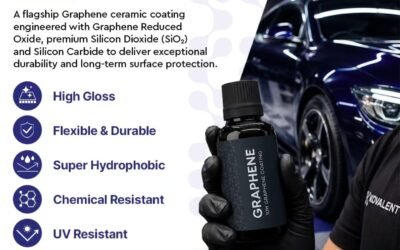
- Advanced technologies such as graphene and borophene coatings can improve surface durability and slickness.
Understanding How Ceramic Coating Works
Ceramic coating is one of the most popular paint protection solutions available today. Professional ceramic coating products use advanced nanotechnology to create a semi-permanent bond with a vehicle’s clear coat.
Once applied, the coating forms an invisible protective layer that helps shield the paint from:
- UV exposure
- Oxidation
- Water spots
- Bird droppings
- Tree sap
- Road grime
- Chemical contaminants
- Environmental fallout
Unlike traditional waxes and paint sealants, ceramic coatings offer significantly longer-lasting protection and enhanced hydrophobic performance.
However, there is a common misconception that ceramic coating can completely eliminate scratches.
The reality is more nuanced.
Can Ceramic Coating Prevent Scratches?
The simple answer is no.
A ceramic coating cannot completely prevent scratches because it is only a microscopic layer applied on top of the vehicle’s clear coat. It is not designed to absorb heavy impacts or stop sharp objects from damaging the paint.
If a shopping trolley, key, bicycle handlebar, or tree branch comes into contact with your vehicle, the ceramic coating alone will not prevent paint damage.
However, this does not mean ceramic coating offers no scratch protection.
It can help reduce:
- Light wash-induced marring
- Fine swirl marks
- Minor surface abrasions
- Micro-scratches caused by improper washing techniques
The protective layer creates a harder surface than unprotected paint, which can reduce everyday wear and tear.
What Types of Scratches Can Ceramic Coating Help Reduce?
Minor Swirl Marks
Swirl marks are one of the most common forms of paint damage.
They are often caused by:
- Automatic car washes
- Dirty wash mitts
- Improper drying techniques
- Dust and dirt particles during washing
A professional ceramic coating creates a slick surface that reduces friction during washing, helping minimize the likelihood of swirl marks developing over time.
Light Surface Marring
Daily driving exposes vehicles to countless small contaminants.
Dust particles, light debris, and frequent cleaning can create tiny imperfections on the paint surface.
Ceramic coatings help reduce direct contact between contaminants and the clear coat, limiting minor surface wear.
Wash-Induced Scratches
Many scratches occur during routine maintenance rather than while driving.
Because ceramic coatings make the surface more hydrophobic and easier to clean, less pressure is often required during washing. This helps reduce the chance of creating light scratches during maintenance.
What Scratches Can Ceramic Coating Not Prevent?
Key Scratches
A sharp key dragged across a vehicle’s paint can easily penetrate both the coating and the clear coat underneath.
Ceramic coating is not designed to resist intentional scratching.
Rock Chips
High-speed road debris can cause chips that penetrate the coating and damage the paint surface.
For maximum protection against stone chips, Paint Protection Film (PPF) remains the superior solution.
Deep Scratches
Any scratch that penetrates the clear coat will also penetrate the ceramic coating.
Ceramic coatings are protective layers, not impact-resistant barriers.
Why Do Some Ceramic Coatings Claim Higher Hardness Ratings?
Many professional coatings advertise hardness ratings such as:
- 9H Ceramic Coating
- 10H Coating Technology
These ratings often create confusion among vehicle owners.
The “H” scale refers to pencil hardness testing and indicates the coating’s resistance to minor surface abrasion.
A higher hardness rating can improve:
- Surface durability
- Chemical resistance
- Scratch resistance
- Resistance to minor marring
However, even a 9H ceramic coating is not scratch-proof.
No ceramic coating currently available can completely eliminate the possibility of scratches.
Ceramic Coating vs Paint Protection Film (PPF)
Many vehicle owners compare ceramic coating and PPF when considering paint protection.
Ceramic Coating
Benefits include:
- Exceptional gloss enhancement
- Strong hydrophobic performance
- UV protection
- Chemical resistance
- Easier maintenance
- Long-term durability
Limitations:
- Does not stop rock chips
- Does not prevent deep scratches
- Limited impact resistance
Paint Protection Film
Benefits include:
- Excellent rock chip protection
- Superior scratch resistance
- Self-healing properties (depending on film type)
- Impact absorption
Limitations:
- Higher installation cost
- Less hydrophobic than ceramic coatings without additional coating protection
Many professionals recommend combining ceramic coating with PPF for maximum protection.
Can Graphene Coating Provide Better Scratch Resistance?
Graphene coating is often promoted as the next evolution of ceramic coating technology.
Compared to traditional ceramic coatings, graphene-enhanced coatings may provide:
- Increased slickness
- Improved water spot resistance
- Enhanced durability
- Better heat management
While graphene coatings can improve overall surface performance, they are still not scratch-proof.
Their primary advantages relate to durability and maintenance rather than impact resistance.
What About Borophene Coating?
Borophene coating represents one of the latest advancements in surface protection technology.
As a next-generation ceramic coating, borophene technology focuses on:
- Enhanced durability
- Improved slickness
- Exceptional gloss
- Long-term protection
- Advanced hydrophobic performance
Like ceramic and graphene coatings, borophene coatings help reduce everyday wear but should not be viewed as a complete solution for preventing scratches.
How to Minimize Scratches After Ceramic Coating
Even with professional coating protection, proper maintenance remains essential.
Follow Safe Washing Practices
Always use:
- pH-neutral shampoo
- Quality microfiber wash mitts
- Clean microfiber drying towels
- Two-bucket wash methods
Avoid Automatic Brush Car Washes
Brush-based car washes remain one of the leading causes of swirl marks and paint damage.
Hand washing is always the safer option.
Remove Contaminants Quickly
Bird droppings, tree sap, and bug splatter can damage paint if left untreated.
Prompt removal helps preserve both the coating and the paint underneath.
Use Professional Maintenance Products
Using coating-compatible maintenance products helps preserve hydrophobic performance and coating longevity.
Why Professional Ceramic Coating Installation Matters
The effectiveness of ceramic coating depends heavily on the preparation process.
Professional installers typically perform:
- Paint decontamination
- Clay bar treatment
- Multi-stage paint correction
- Surface preparation
- Controlled coating application
Without proper preparation, coating performance can be significantly reduced.
This is why professional-grade ceramic coating products are typically installed by trained detailing specialists.
Final Verdict: Can Ceramic Coating Prevent Scratches?
Ceramic coating cannot completely prevent scratches.
However, it can significantly reduce the risk of:
- Light swirl marks
- Minor wash-induced scratches
- Surface marring
- Everyday paint wear
Its primary purpose is to provide long-term protection against environmental damage, contaminants, UV exposure, and oxidation while making vehicle maintenance easier.
For vehicle owners seeking maximum paint protection, combining a professional ceramic coating with Paint Protection Film offers the most comprehensive solution available today.
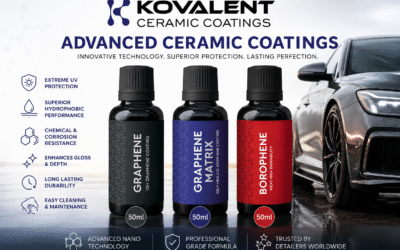
Brands such as Kovalent Coatings continue to push the boundaries of surface protection through advanced ceramic, graphene, and borophene technologies designed to enhance durability, appearance, and long-term vehicle preservation.
Frequently Asked Questions
Can ceramic coating stop scratches completely?
No. Ceramic coating can help reduce minor scratches and swirl marks but cannot completely prevent deep scratches or impact damage.
Does ceramic coating protect against key scratches?
No. A sharp object such as a key can penetrate the coating and damage the paint underneath.
Is ceramic coating worth it for scratch protection?
While ceramic coating is not scratch-proof, it helps reduce minor paint damage and provides significant protection against environmental contaminants and UV exposure.
What is better for scratch protection: ceramic coating or PPF?
Paint Protection Film provides superior protection against rock chips, impacts, and deeper scratches. Ceramic coating offers better hydrophobic performance and easier maintenance.
Does graphene coating prevent scratches?
Graphene coating can improve durability and surface slickness but does not make a vehicle scratch-proof.
Can ceramic coating reduce swirl marks?
Yes. Ceramic coatings can help reduce the likelihood of swirl marks by creating a slicker surface and making washing easier.