It is not easy to maintain the flawless look of your car, especially in the demanding climate of Australia. From coastal air to sudden rain showers to UV radiation and road grime, cars are constantly exposed, which damages the clear coat and finishes. Over the course of time, it leads to oxidation, fine scratches and stains that can make your new car look older than it actually is.
This is where graphene ceramic coating can become the right solution. It has been designed with high-performance, proactive chemistry and nanotechnology to create an invisible, strong barrier over the paint. It can deliver long-term durability, superior environmental protection, and easier maintenance. If you want a glossy finish and a protective layer for your vehicle, graphene ceramic coating is the next level of protection.
What is Graphene Ceramic Coating?
Graphene ceramic coating is an advanced paint protection system that combines traditional ceramic materials, such as silicon dioxide, with graphene, a carbon-based nanomaterial that provides exceptional thermal conductivity and strength.
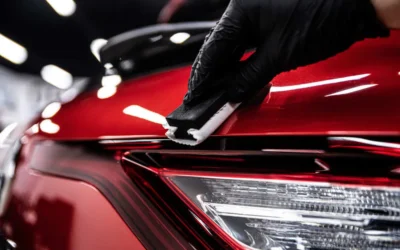
The liquid formula chemically bonds to the clear coating of your vehicle and cures into a thin yet extremely tough layer. Compared to sealants or wax, which sit on top of the paint and wear off quickly, graphene integrates into the surface and remains on top. Therefore creates a semi-permanent protection.
Kovalent Coatings is a manufacturer specialising in high-performance coating technologies. It improves your durability, maintenance and environmental resistance. These innovations enhance the effectiveness and lifespan of modern systems.
Why do Australian Cars Require Additional Paint Protection?
The Australian environment may appear beautiful, but it is harsh on vehicles. Constant exposure causes untreated paint to quickly degrade.
- Intense UV radiation: Australian car owners experience the highest level of UV exposure worldwide. Constant sunlight can break down paint molecules and result in oxidation and fading.
- Coastal salt air: If you live near the ocean, salty air is a big issue. It accelerates corrosion and deteriorated clearcoat. Salt particles adhere to the surface and erode the look and finish.
- Road and rain contaminants: Bird droppings, dirt, acid rain, tree sap and industrial fallout can also result in chemical, itching and leaf stains. If you do not remove it quickly.
These elements can gradually damage the vehicle’s appearance and reduce its resale value without proper protection. Therefore, adding a durable graphene ceramic coating can prevent this and provide long-term durability.
Benefits of Graphene Ceramic Coating
- Swirl and scratch resistance: Dust, minor contaminants and daily washing can create light scratches and swirl marks. Graphene ceramic coating can form a thin sheet, which absorbs small particles before it actually reaches the clear coat. While it might not be able to stop deep rock chips, it can reduce micro scratches.
- Superior UV protection: Sun damage is one of the biggest threats to paint longevity. Graphene coating can become a barrier against UV rays and slow down colour fading and oxidation. It keeps your car looking newer for longer and preserves its factory finish.
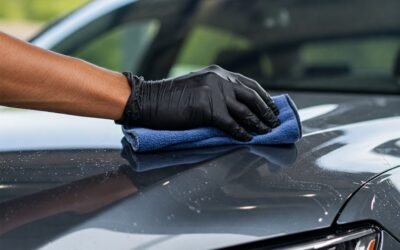
- Advanced hydrophobic performance: One of the noticeable benefits of using graphene ceramic coating is a strong hydrophobic effect. Water can easily bead up tightly and roll right on the surface. It can carry dirt and debris with it. This helps reduce smudge buildup, prevent water spots, minimise rain-related stains, and keep the car clean after a wash. This can result in fewer trips and less effort for your car wash.
- Protect protection from contamination and chemicals: Everyday contaminants such as bird droppings, fuel spills, tree sap, and road salt can cause chemical staining of paint. Graphene ceramic coating creates a resistant shield that slows chemical bonding, giving you more time to clean off harmful substances before they cause permanent damage.
- Anti-Static and Dust-Repellent: Unlike some traditional coatings, graphene offers anti-static properties and is dust-repellent. This means less dust sticks to your vehicle. Your car stays cleaner longer and maintains that freshly detailed look with minimal upkeep.
Graphene Ceramic Coating vs Traditional Ceramic Coating
Traditional ceramic coatings already offer good gloss and durability. However, graphene-enhanced versions take performance a step further.
They typically provide:
- Longer lifespan
- Better heat dissipation
- Stronger hydrophobic properties
- Reduced dust attraction
- Improved resistance to water spotting
If you’re investing in professional paint protection, upgrading to graphene often delivers better long-term value.
Conclusion
From salty coastal air to harsh sun exposure and everyday dirt and grime, Australian driving conditions would require severe paint protection. Graphene ceramic coating can be a smarter choice for improved durability and longevity. It defends your vehicle against the challenges and enhances gloss while reducing its maintenance.
FAQs
How long does graphene ceramic coating last?
Most professionally applied graphene ceramic coatings last between five and seven years, depending on maintenance and environmental conditions.
Does graphene ceramic coating completely prevent scratches?
It reduces light scratches and swirl marks but cannot prevent deep chips or heavy impacts.
Is graphene ceramic coating suitable for Australian weather?
Yes. It offers strong protection against UV rays, salt air, rain, and environmental contaminants common in Australian cities.
How do I maintain a graphene-coated car?
Wash regularly with a pH-neutral shampoo and avoid harsh chemicals. Occasional maintenance sprays can help extend performance.
Is graphene ceramic coating better than wax?
Absolutely. Wax lasts weeks, while graphene ceramic coating provides years of durable protection and much easier maintenance.